Belize – Yacht Charter Destination
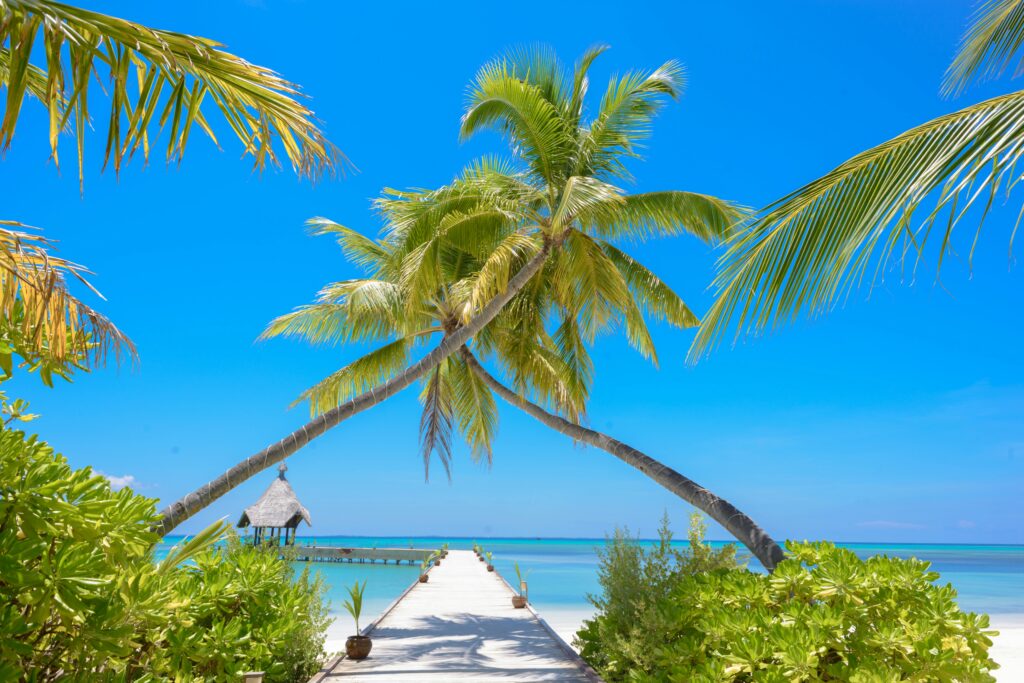
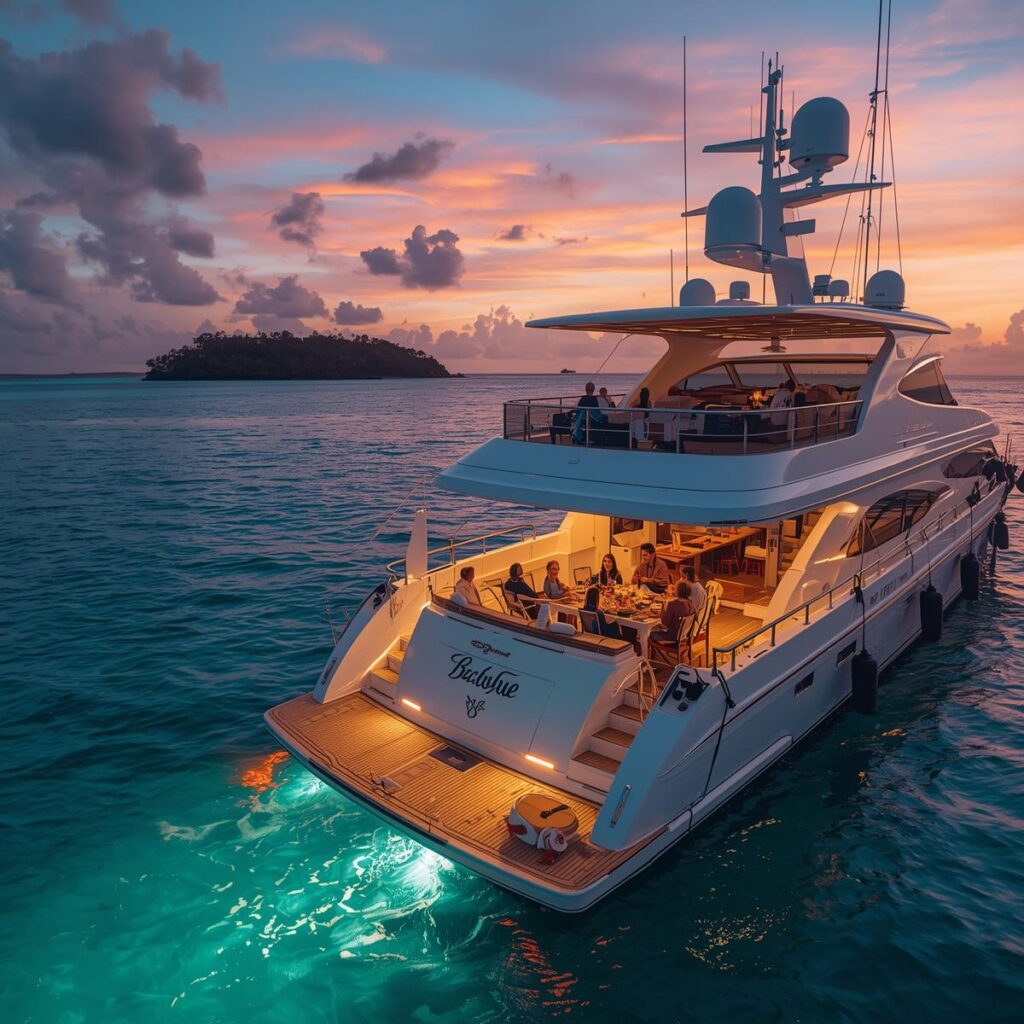
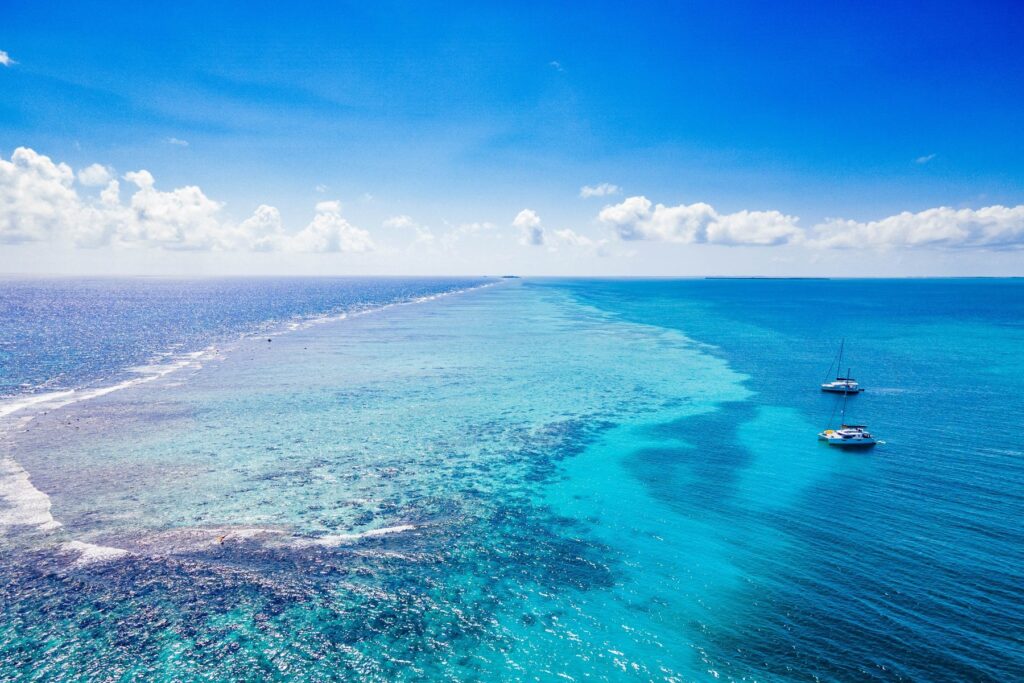
Still relatively undiscovered as a sailing destination, Belize marries spectacular waters, hundreds of idyllic islands and the second-largest barrier reef in the world with a fascinating, culturally rich heritage.
Belize
Belize Sample Itineraries
Belize City to Belize City: Central, Glover’s & Southern Itinerary
Belize City to Belize City: Central & Southern Itinerary
Belize City to Belize City: North & Central Itinerary
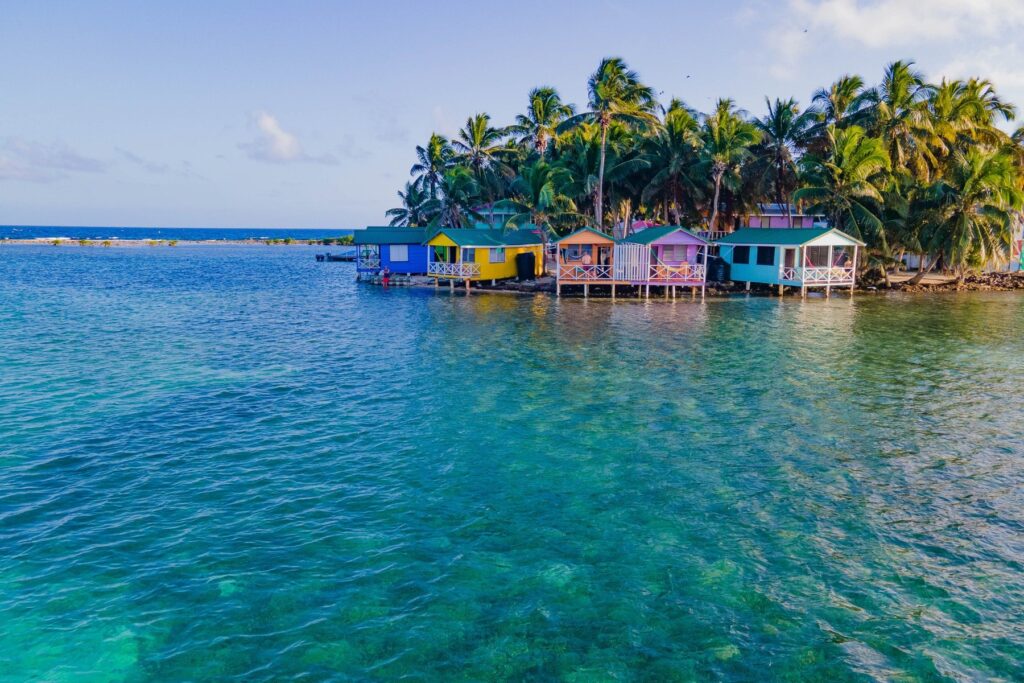
Belize City to Belize City: North & Central Itinerary, 4 or 5 Nights
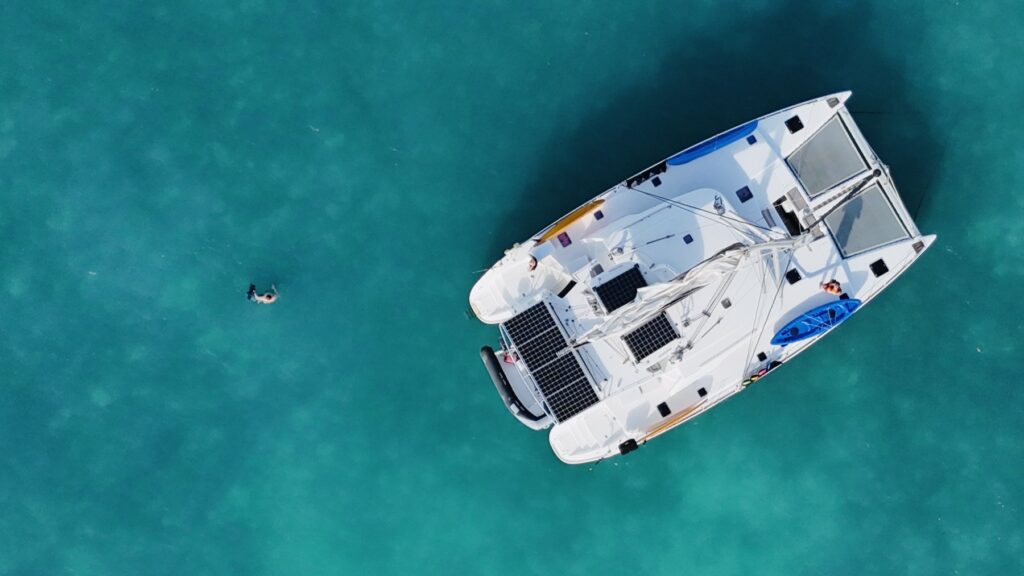
Belize City to Placencia: Southern Itinerary, 4 or 5 Nights
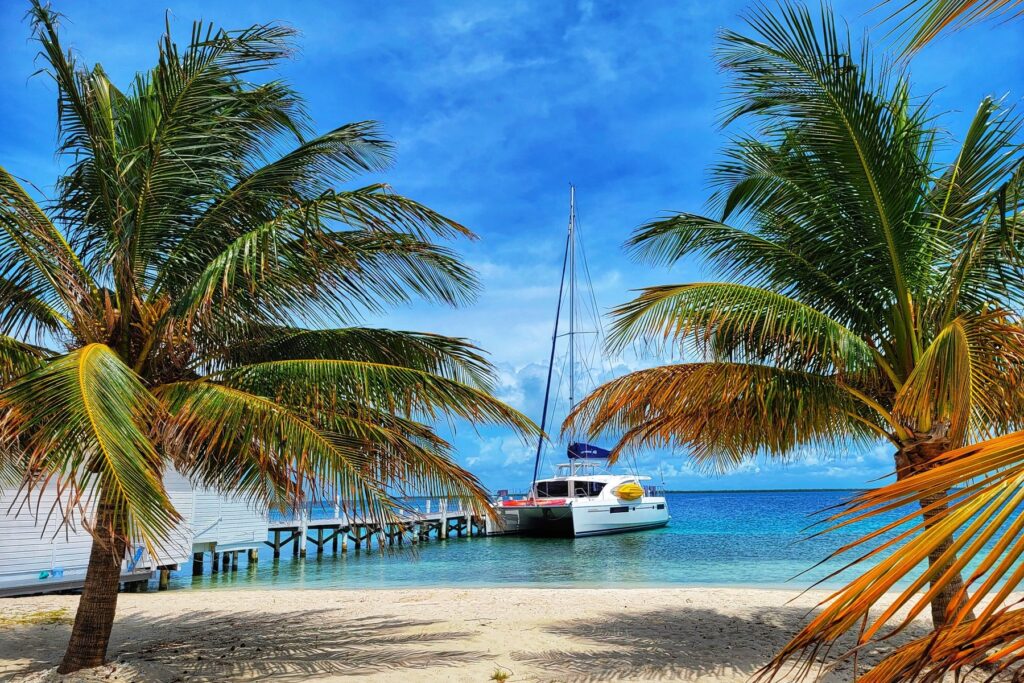
Belize City to Belize City: Northern Itinerary, 4 or 5 Nights
Belize City to San Pedro: Northern Itinerary, 4 or 5 Nights
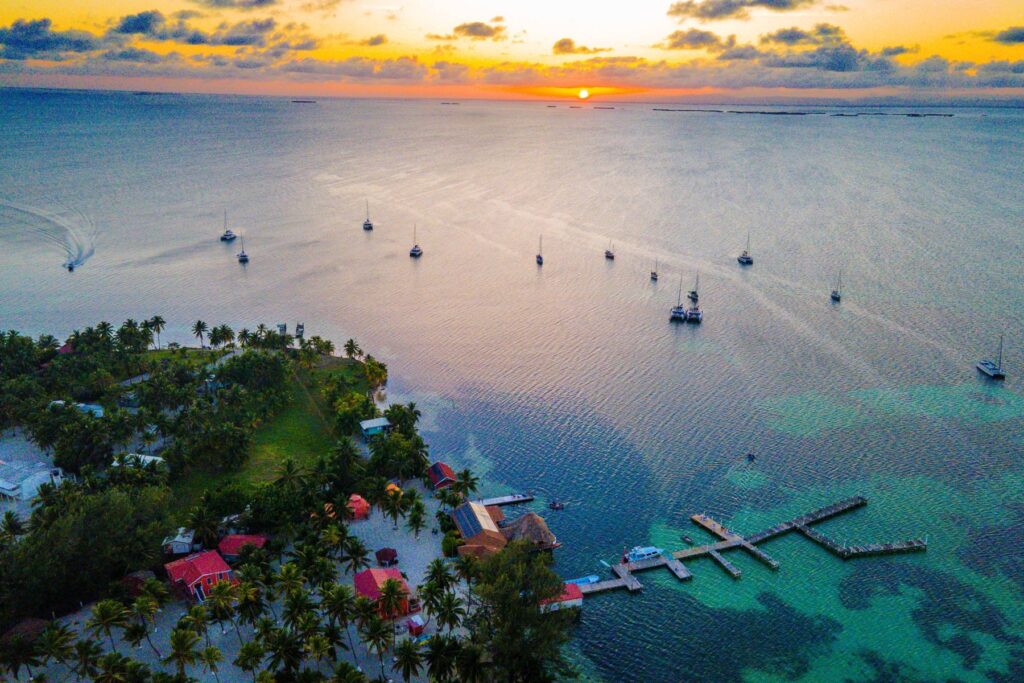
Caye Caulker and the north
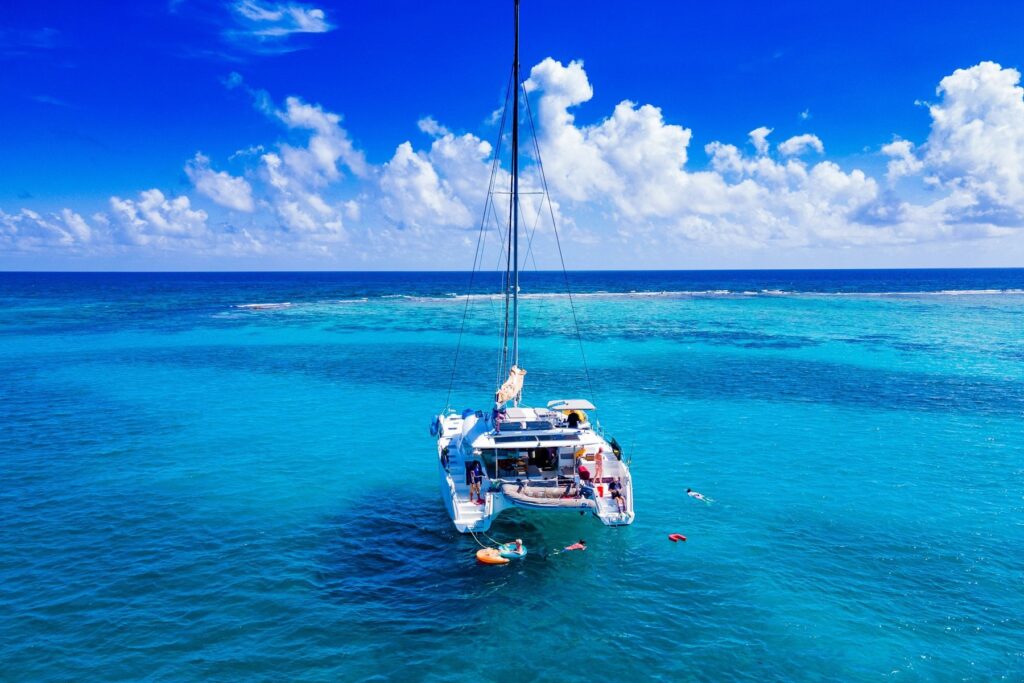
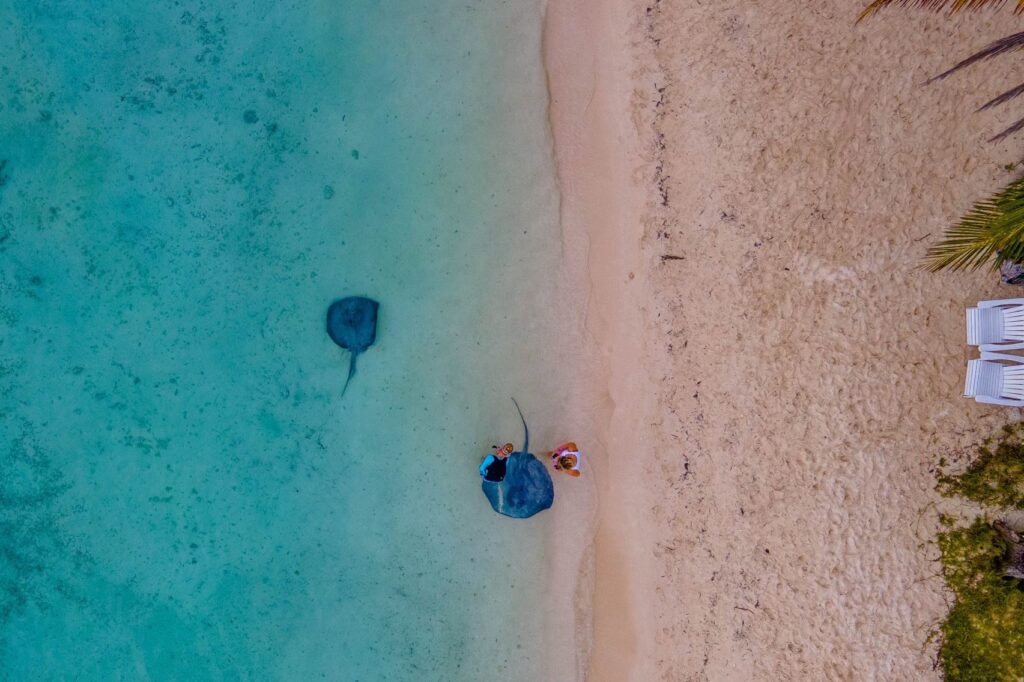
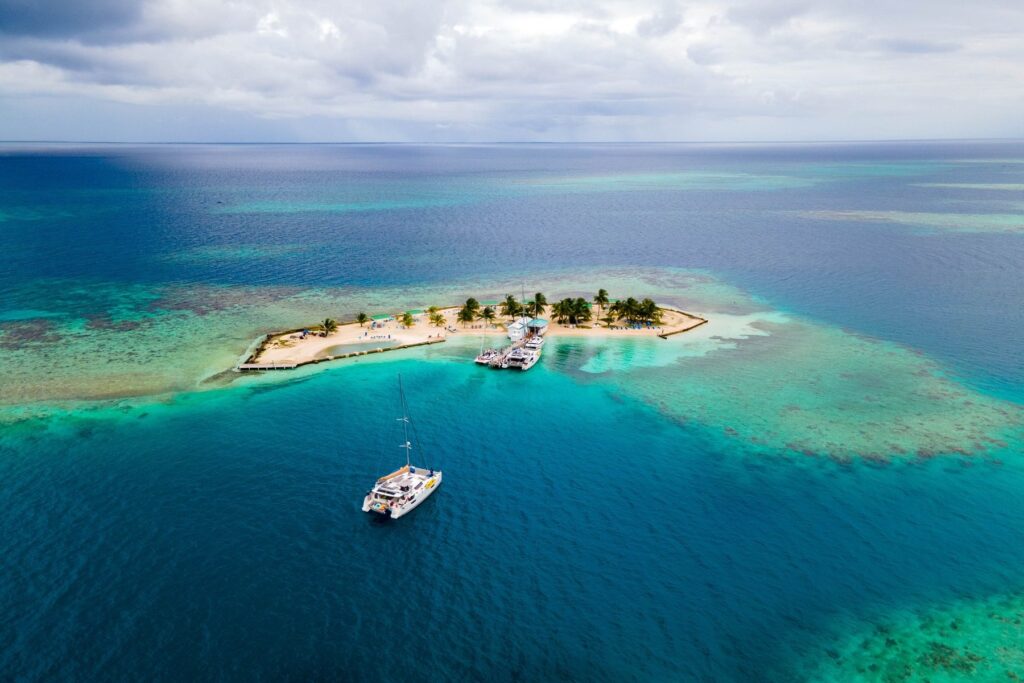
Glover’s Reef and the southern atolls
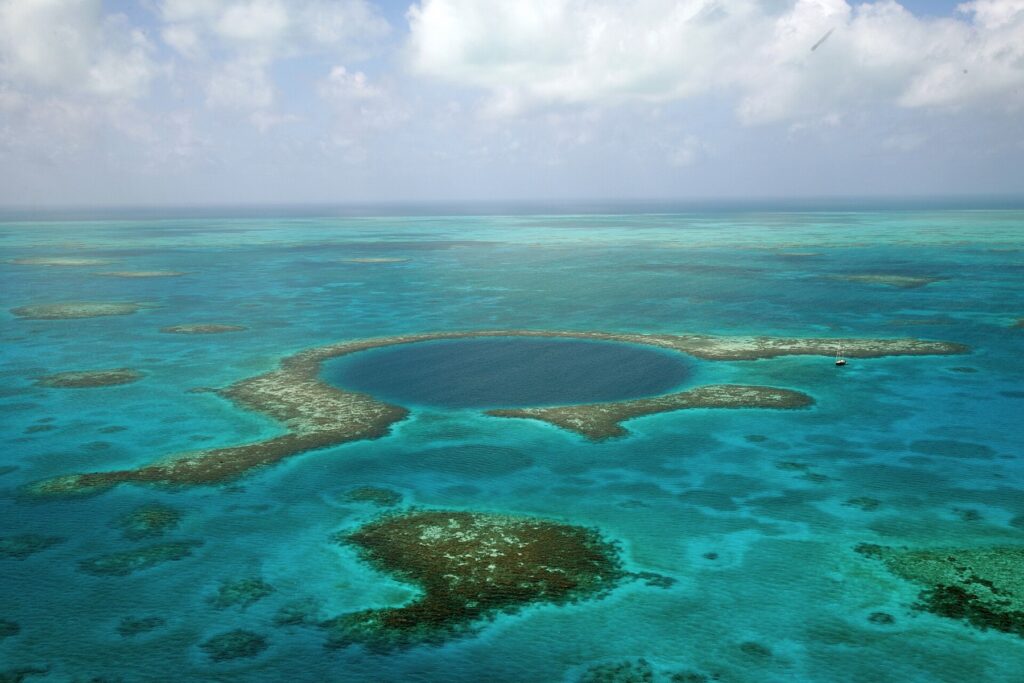
Can we sail to the Blue Hole?
Belize Yacht Charters
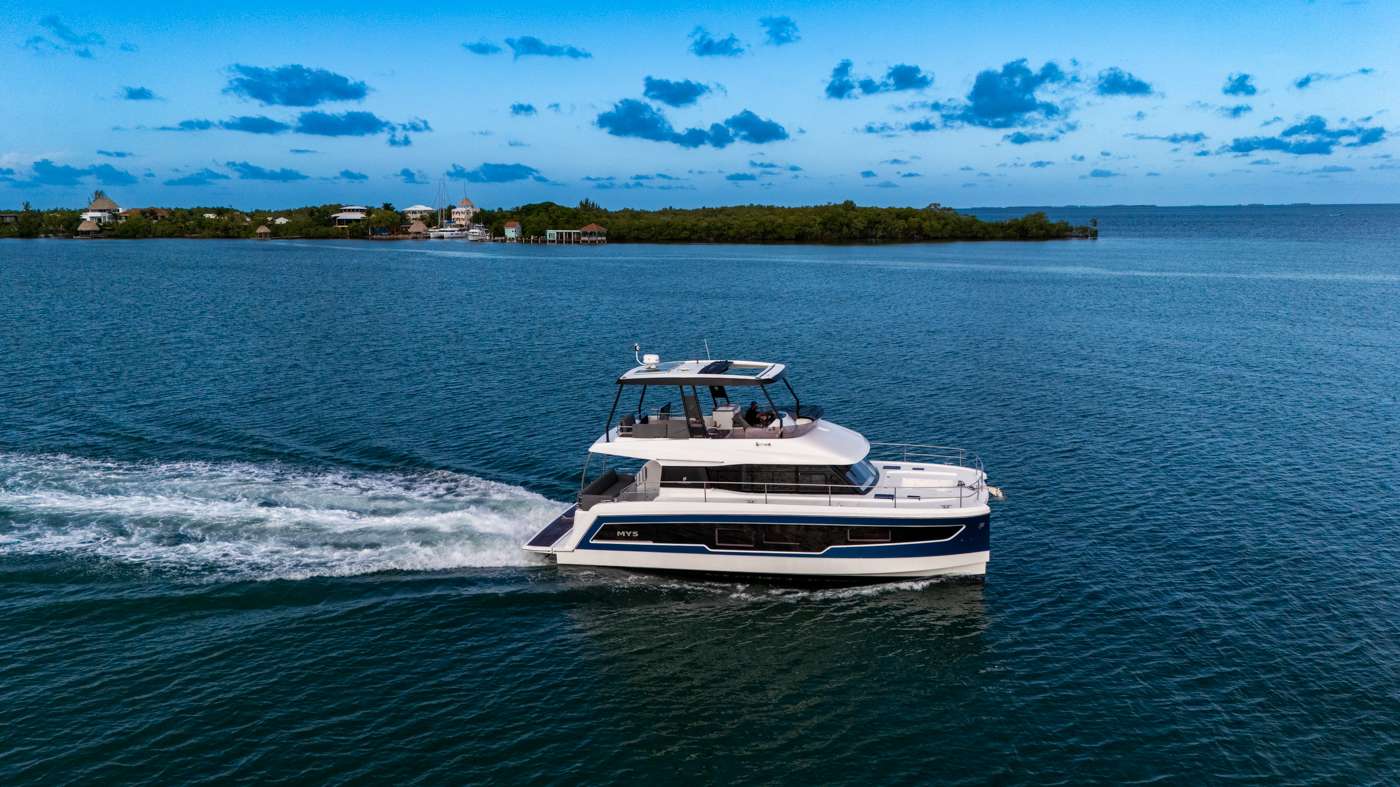
FASCHING
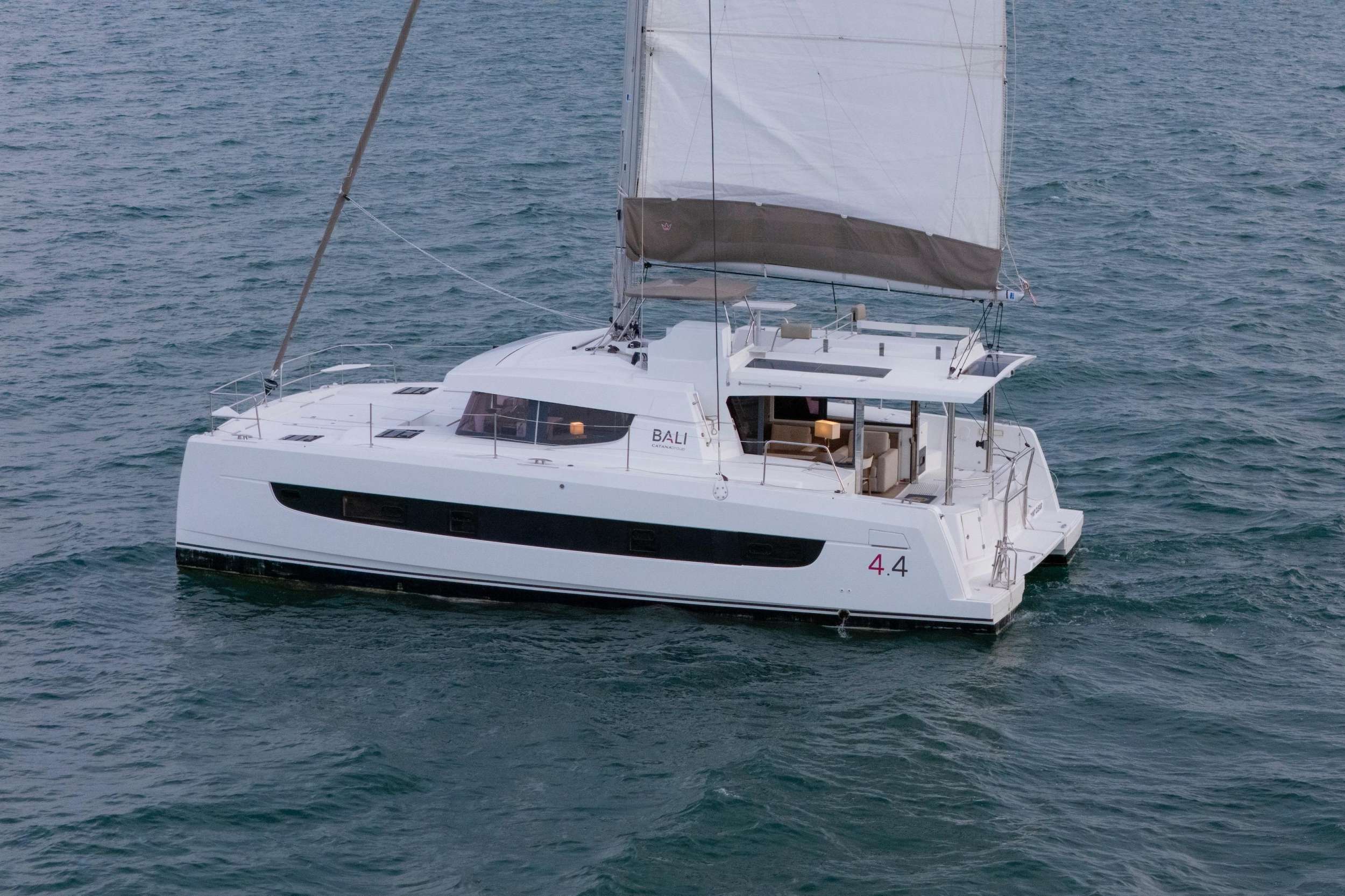
LUNARA
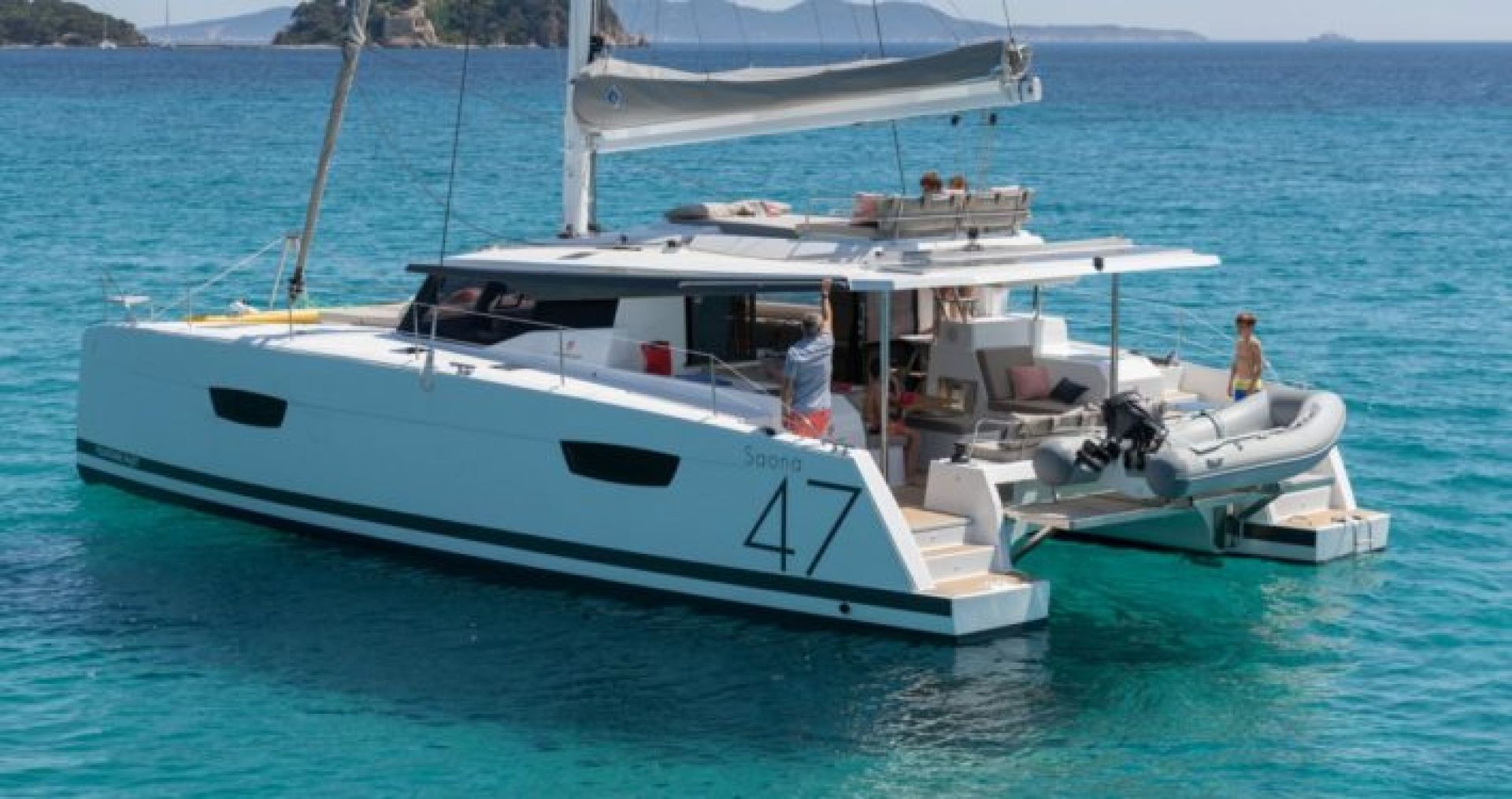
Tranquilo
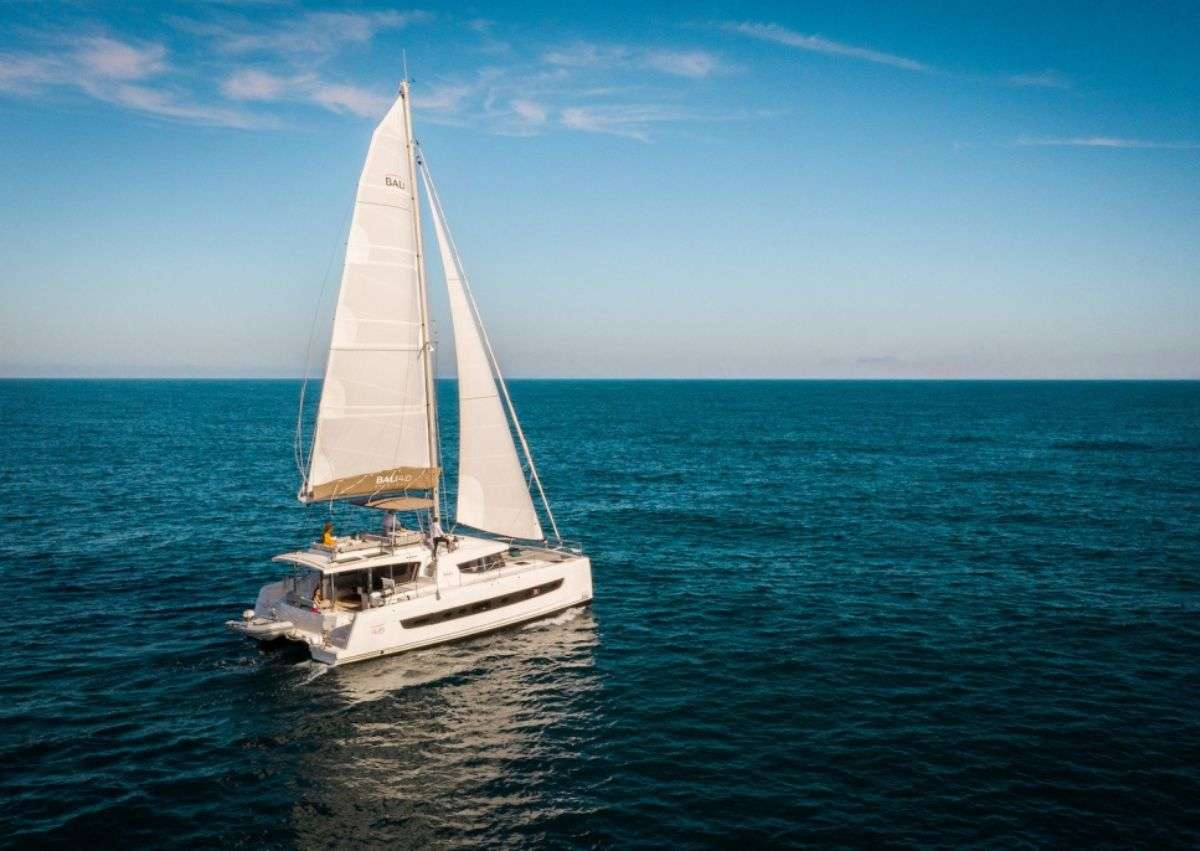
First Tracks
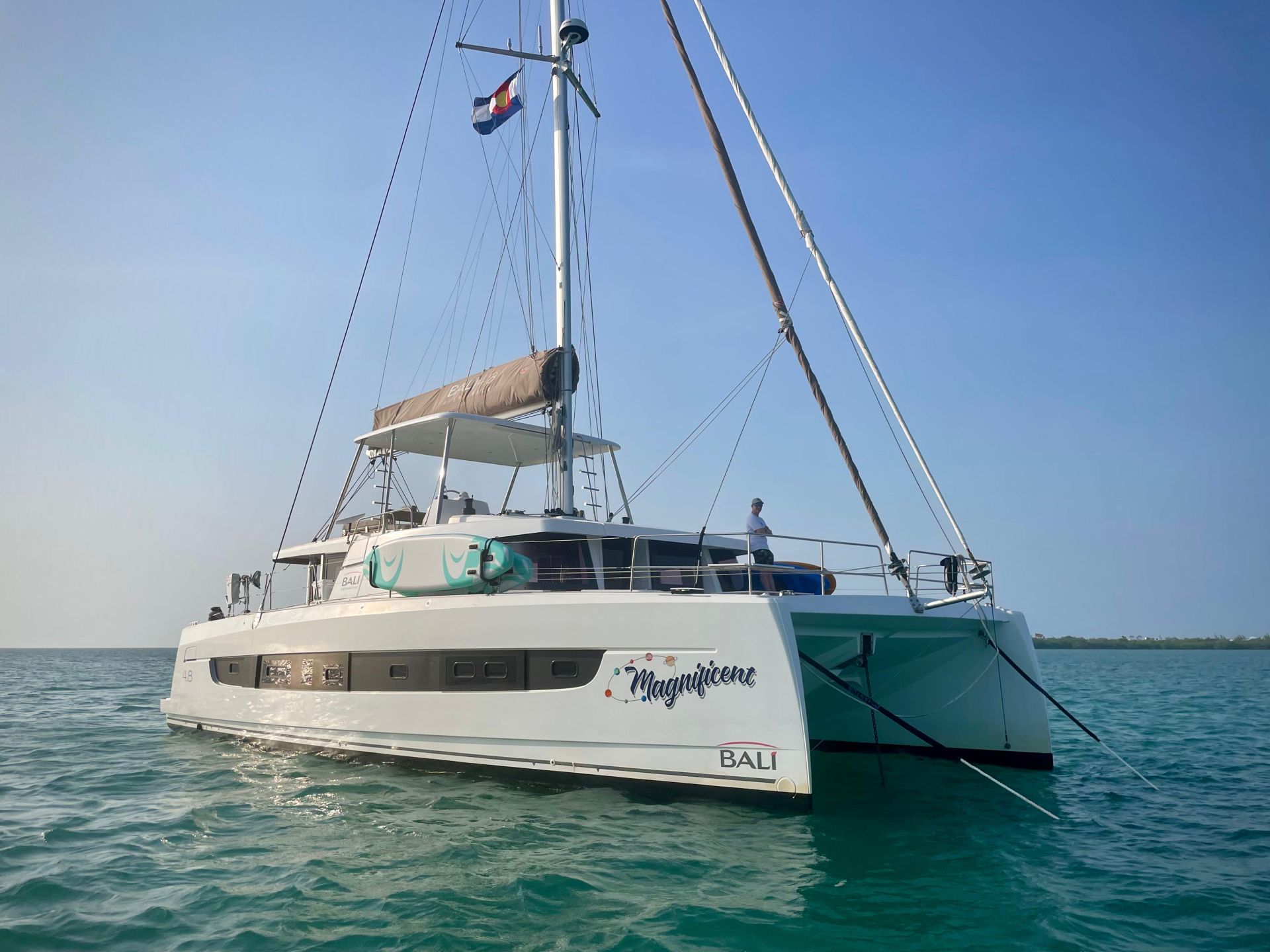
Magnificent
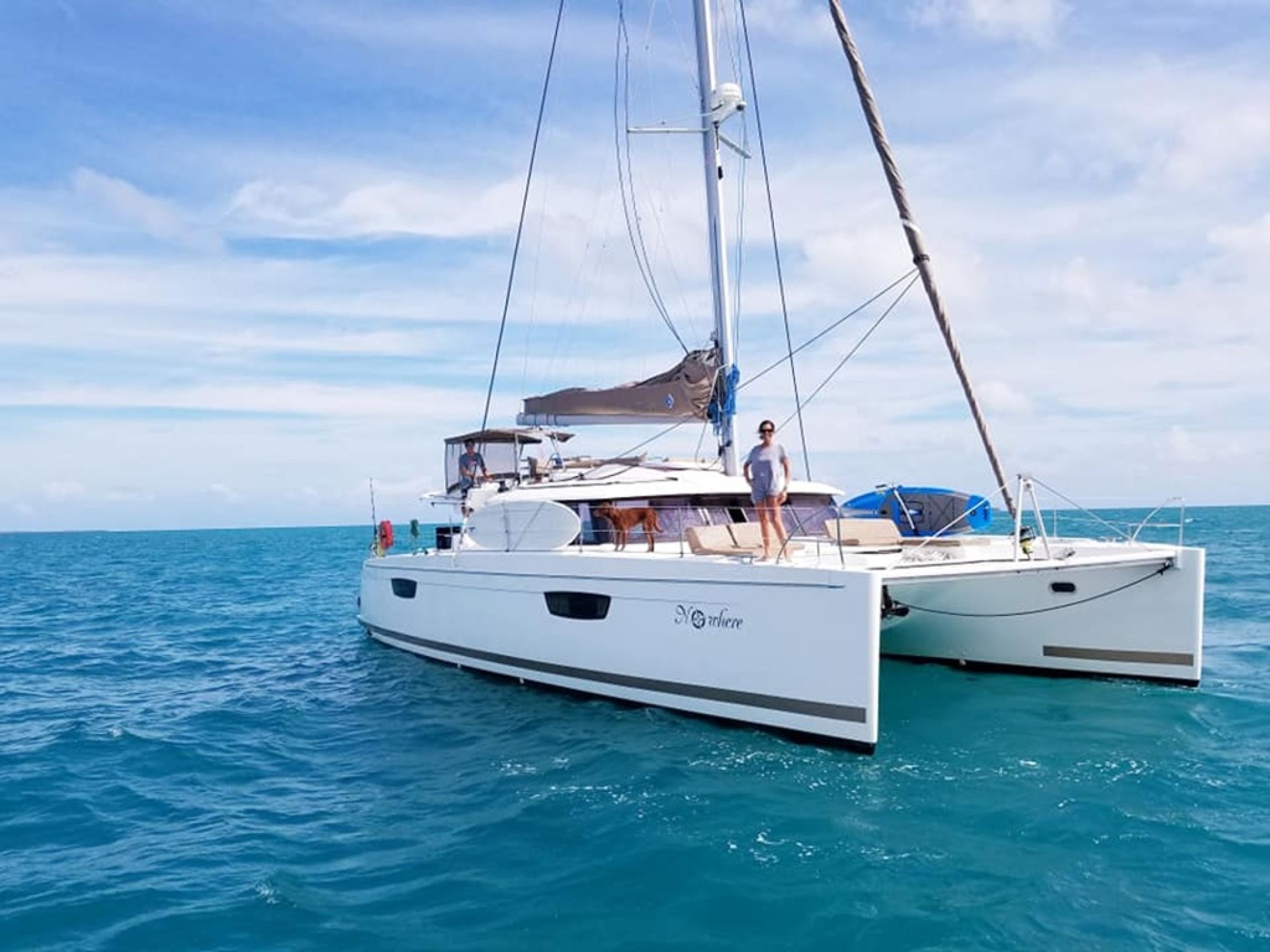
Nowhere
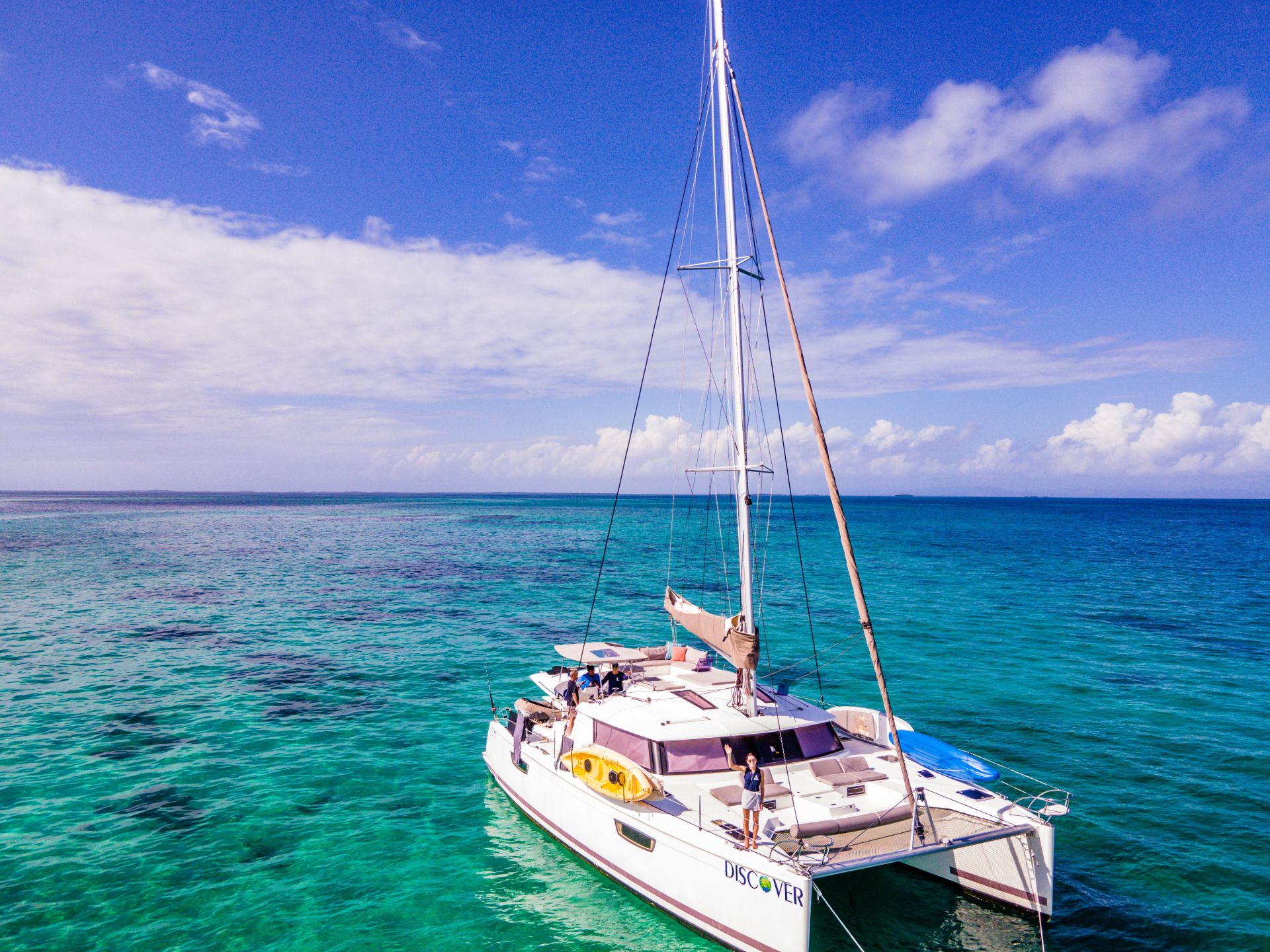
Discover
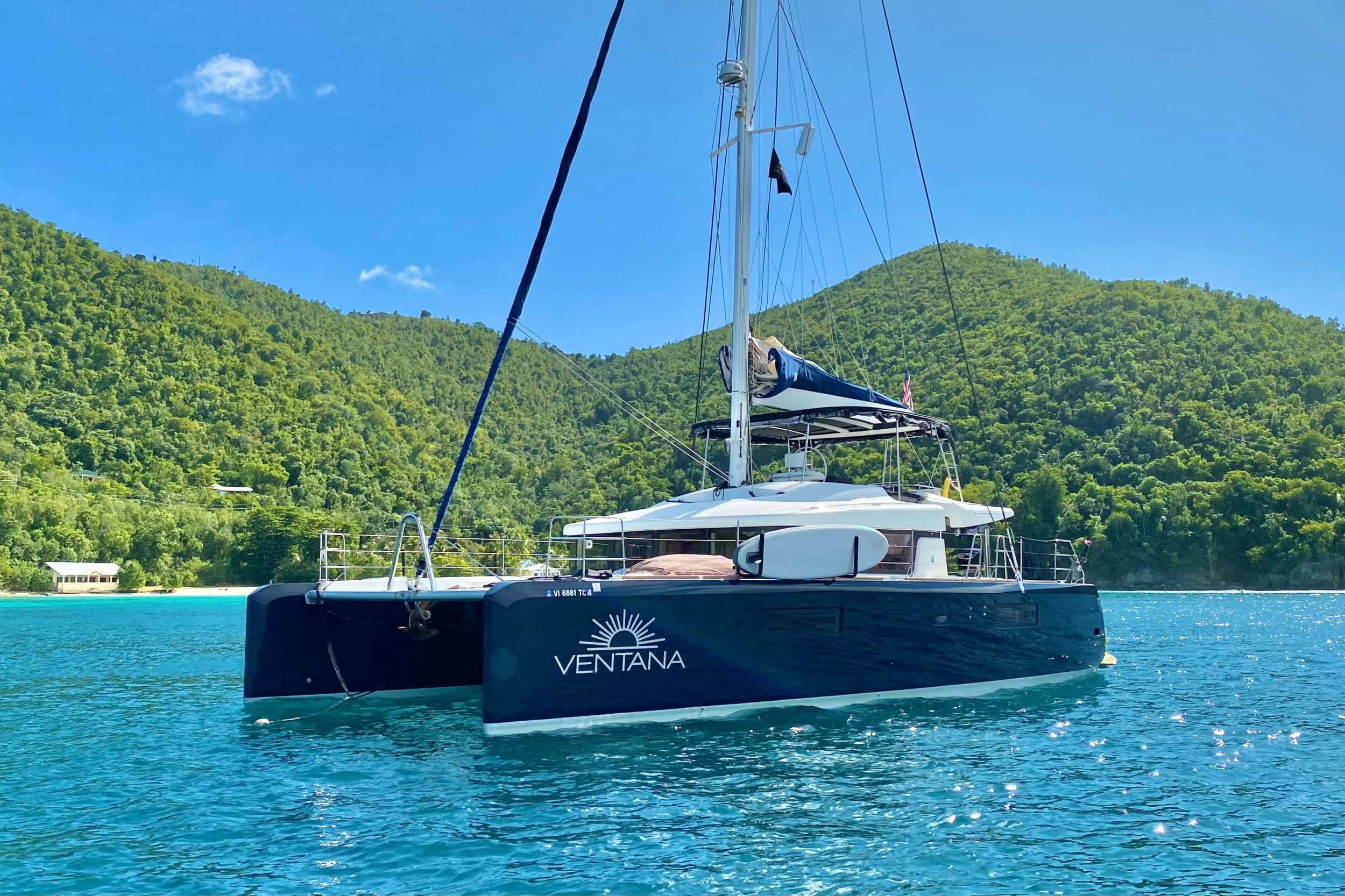
Ventana al Mar
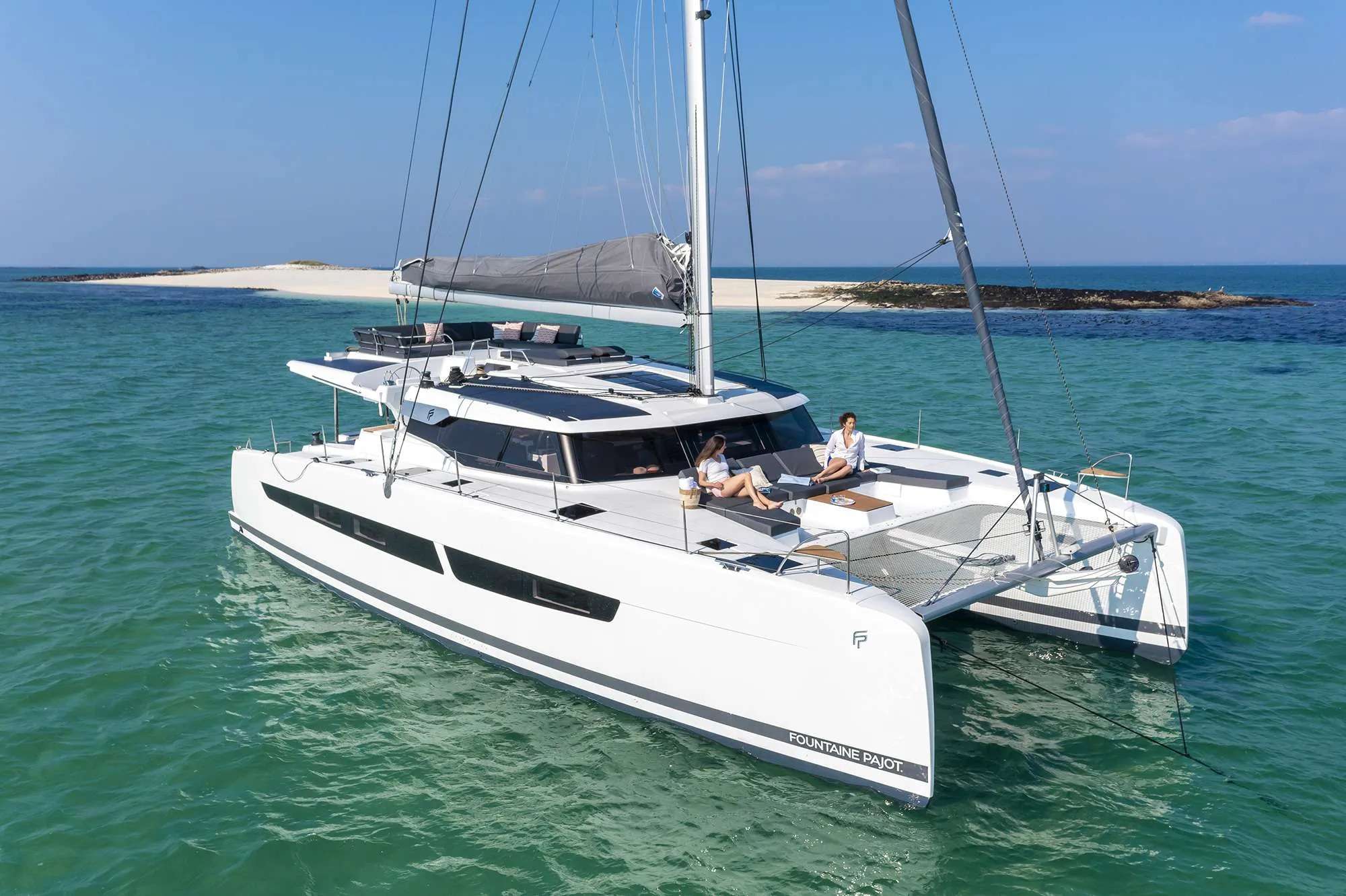
The Big LeBoatski
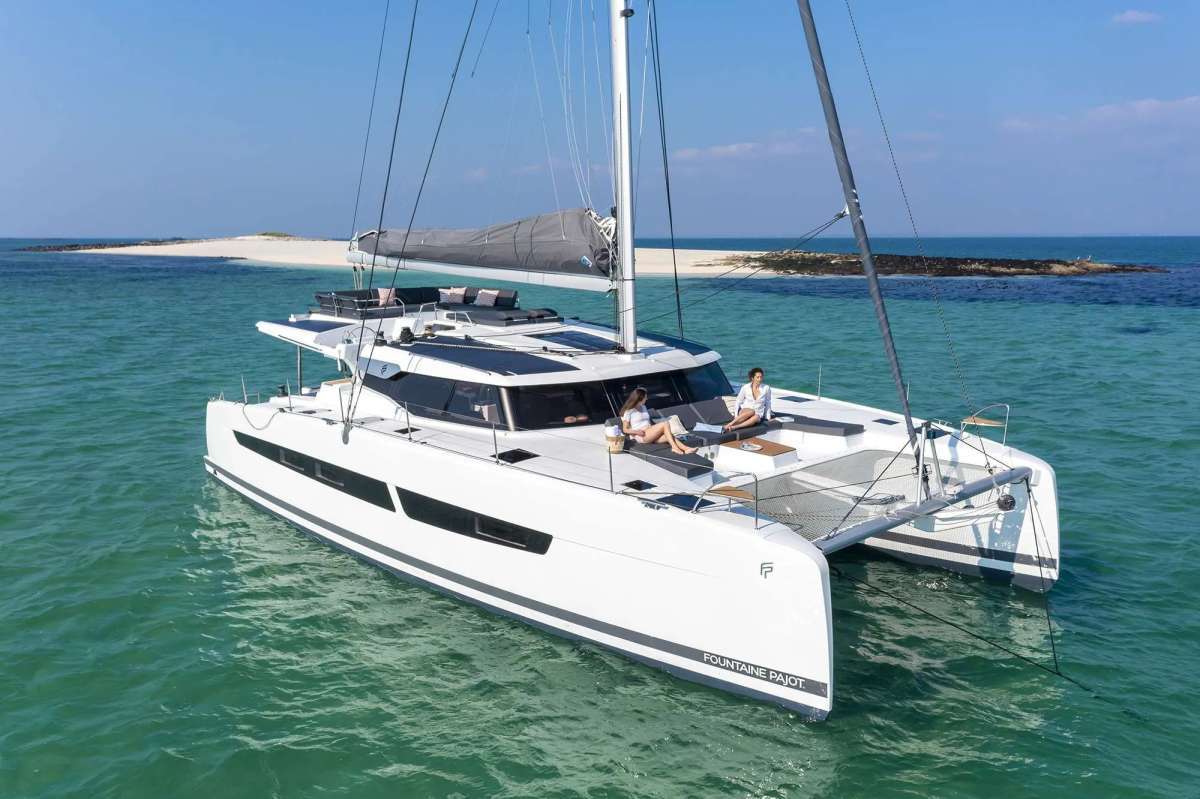
Second Wind
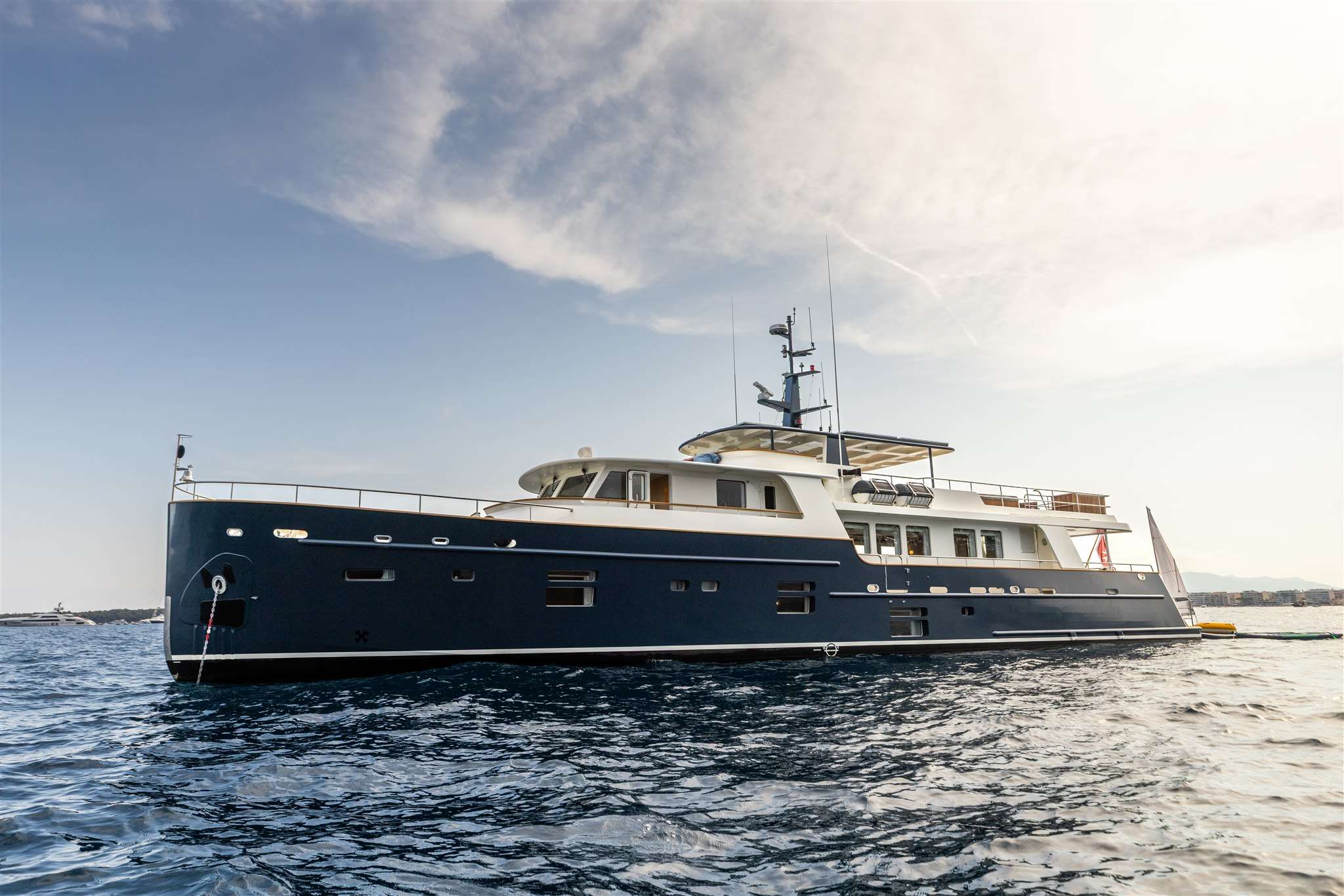
Araok
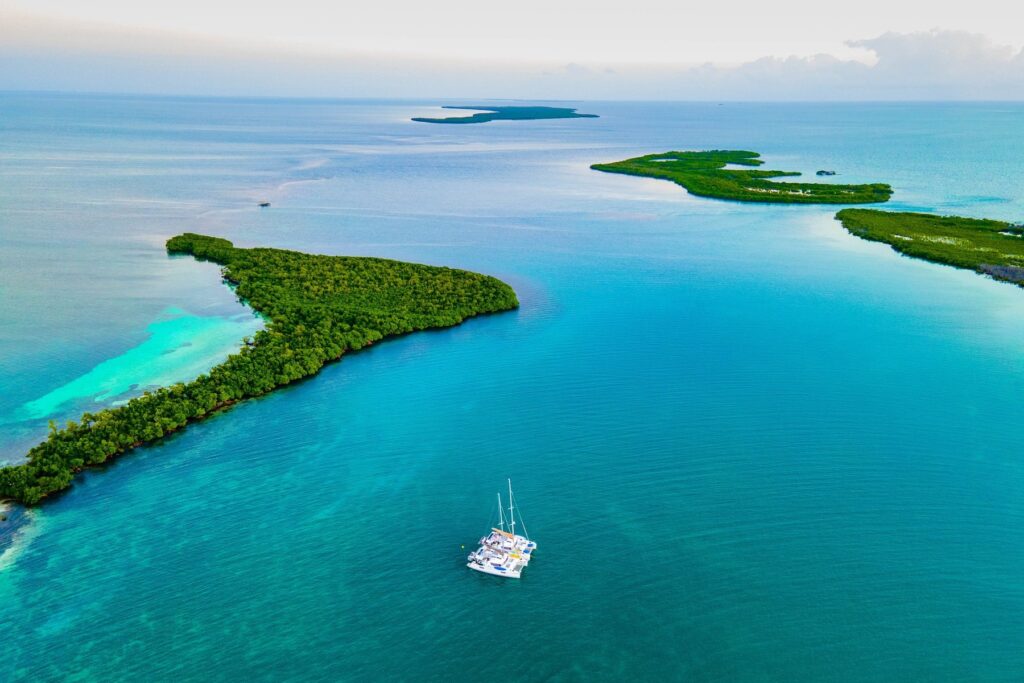
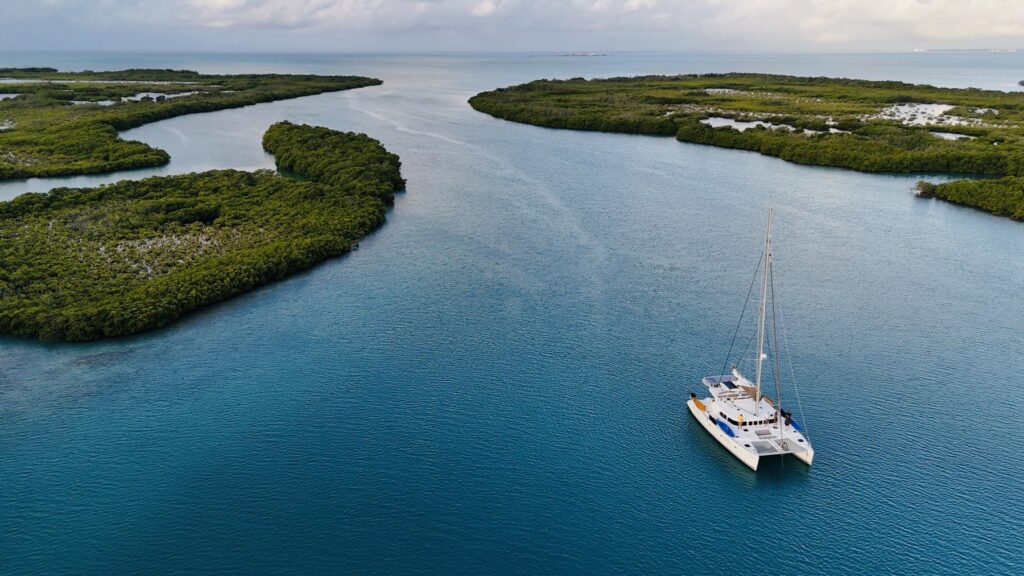
Mangrove cayes and the inner channels
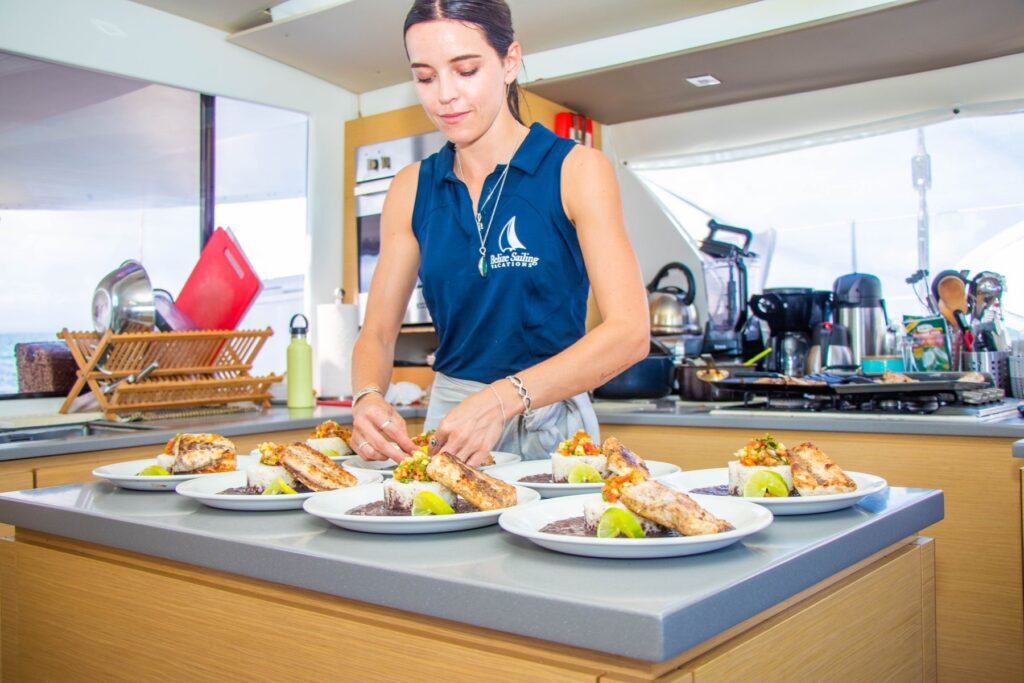
Eating aboard and ashore
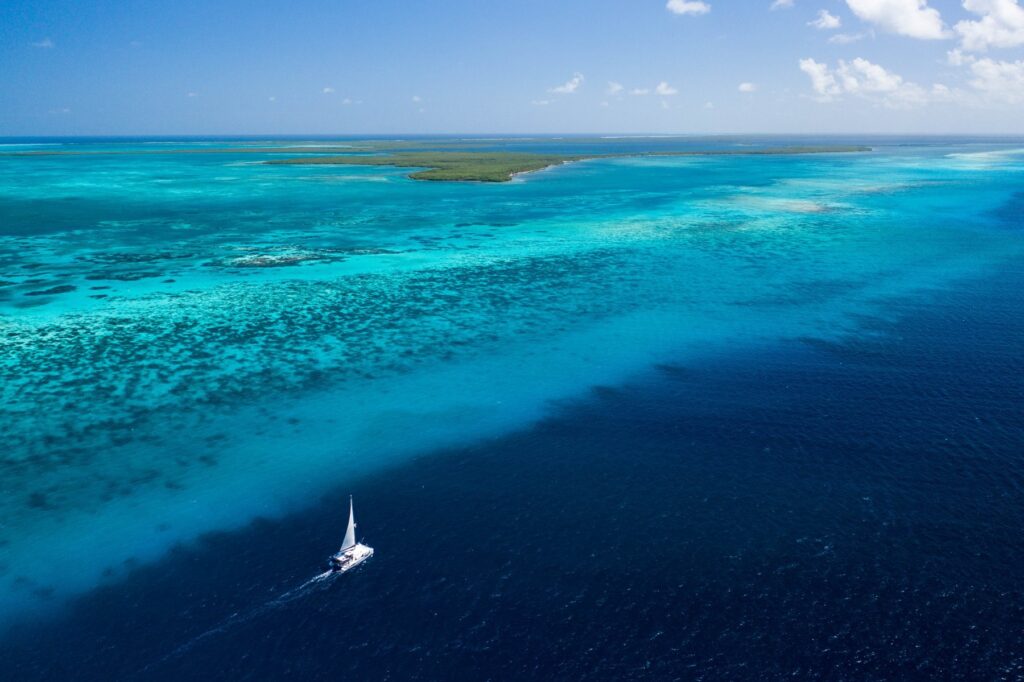
Seasons, winds and flights
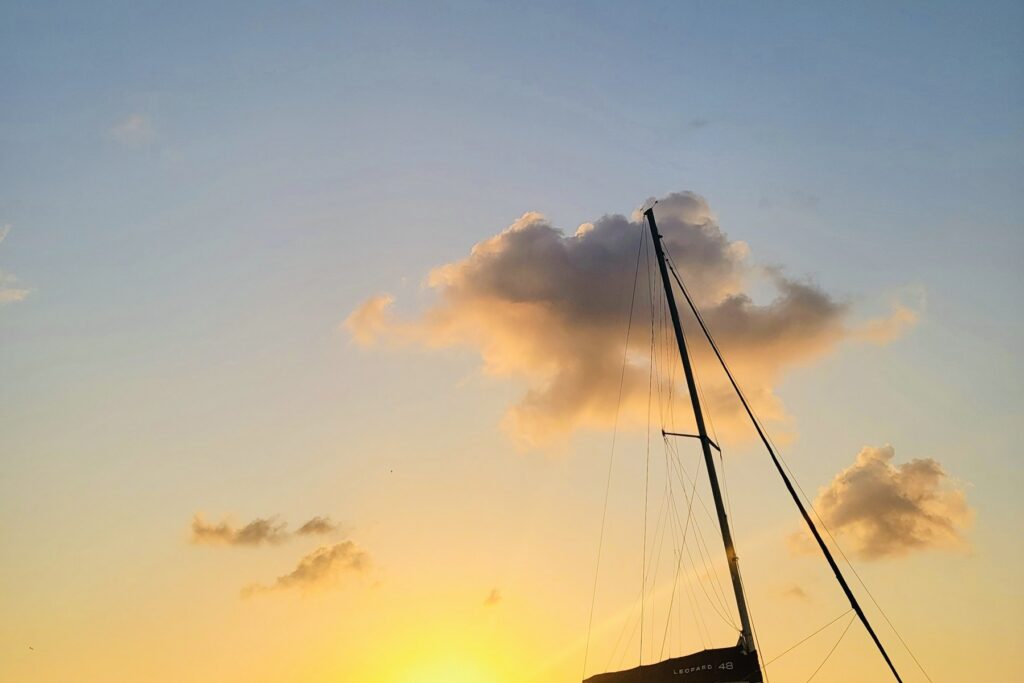
Belize charter prices
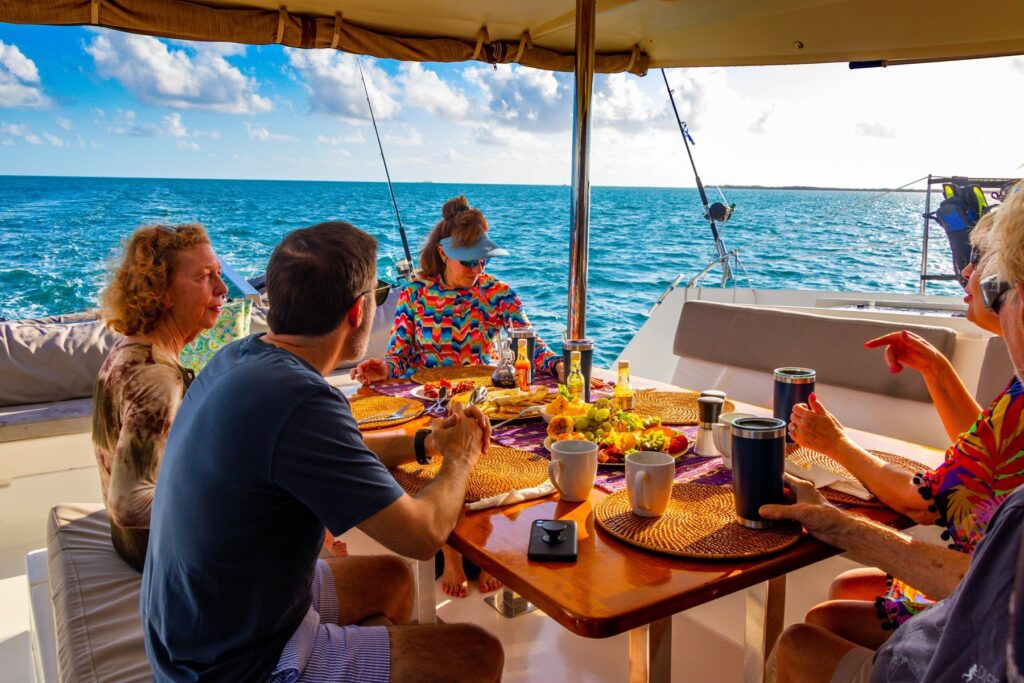
What an all-inclusive Belize charter covers
FAQ
A week aboard a fully crewed, all-inclusive catamaran starts at around US$16,700 for a smaller four-cabin yacht and rises with the size of the boat and the number of guests. Rates are in US dollars and subject to 10% tax. The rate covers the yacht, a captain and chef, all meals, the open ship’s bar, snorkelling, kayaking, paddleboarding and fishing gear, and your airport transfers. Crew gratuity, scuba diving, specialty fishing and anything ashore are extra. One-way charters ending in San Pedro or Placencia carry a relocation fee of US$1,000 or US$1,400.
Belize sails all year. The standard season runs from 6 January to 18 December; the festive season, 19 December to 5 January, is priced higher and requires a seven-night stay. The easterly trade winds blow more or less continuously, and because the barrier reef sits between you and the open sea the anchorages stay calm whichever month you choose. Several airlines add seasonal routes into Belize between December and April.
Four nights is the minimum outside the festive season, and seven nights between 19 December and 5 January. Four and five-night routes cover the northern or the central cayes; seven nights lets you reach the atolls, or combine the northern and southern cruising grounds.
The northern route suits guests who want island life — beach bars, restaurants and time ashore — and families with children who would rather not sail for more than a couple of hours a day. The southern route suits guests who want the spectacular tiny islands that dot the reef and to see as few other people as possible. The two can be merged to take in highlights of both, which ideally needs six days or more.
Yes, and we have — but it takes a full day out and a full day back under sail, outside the shelter of the barrier reef, so it depends entirely on the weather and we will not take guests out in rough conditions. The Blue Hole is at its best seen from directly above or from below, so most guests prefer a scenic fly-over in a puddle jumper (two scheduled flights a week from San Pedro) or a dive trip from San Pedro or Caye Caulker. We arrange either on your behalf, at extra cost.
We do not carry tanks aboard, so diving is done as rendezvous diving: we work with the best dive shops from the north of the country to the south, which gives you the flexibility to dive the best sites wherever you happen to be. It is usually arranged by the crew around 24 hours ahead, based on where you will be anchored, and is charged separately. If you want to certify while aboard, we recommend doing the e-learning online first and the referral dives in Belize — that way the charter route is not tied to one area.
We offer captain-only charters rather than true bareboat. You are welcome to sail as much as you like; the captain is aboard for local knowledge and for looking after the boat.
Yes. We have extensive menus for different diets and can adapt even when only one guest is following one. Belize has an abundance of fresh produce from the mainland farms, plus fresh seafood and locally reared meat, so vegan, paleo and other requirements are no problem. The bar includes local beers, Belizean rum and wine, with a bottle of wine per couple per day; premium spirits can be picked up duty-free on arrival.
Yes. Your captain will take you spear fishing for lobster or snapper as part of the charter, and fly fishing with local guides can be arranged in advance — Turneffe Atoll in particular is a mecca for it, with wadeable flats and channels where anglers rarely compete. You are welcome to bring your own gear.
Our base at Cucumber Beach Marina (Old Belize) is about 15 minutes from Belize International Airport, and private transfers from the airport or from Belize City are included in the charter rate.
Belize Yacht Charters
FASCHING
LUNARA
Tranquilo
First Tracks
Magnificent
Nowhere
Discover
Ventana al Mar
The Big LeBoatski
Second Wind
Araok
Photograph: The Great Blue Hole, Lighthouse Reef by The TerraMar Project, CC BY 2.0.
Explore charter destinations


Personalized vacation planning.
Experience and knowledge
We’ve got almost 20 years of experience in the charter yacht industry and vacation planning focusing on Virgin Islands, Bahamas and Mediterranean. We’ve been to all destinations we offer. You are in good hands!
Yachts for all tastes and budgets
Catamaran, Power Yacht, or perhaps a traditional Gullet? We offer an extensive selection of all inclusive crewed vessels to cater to your preferences.
Latest News

What to Pack for a Week on a Crewed Yacht Charter: Your Ultimate Guide
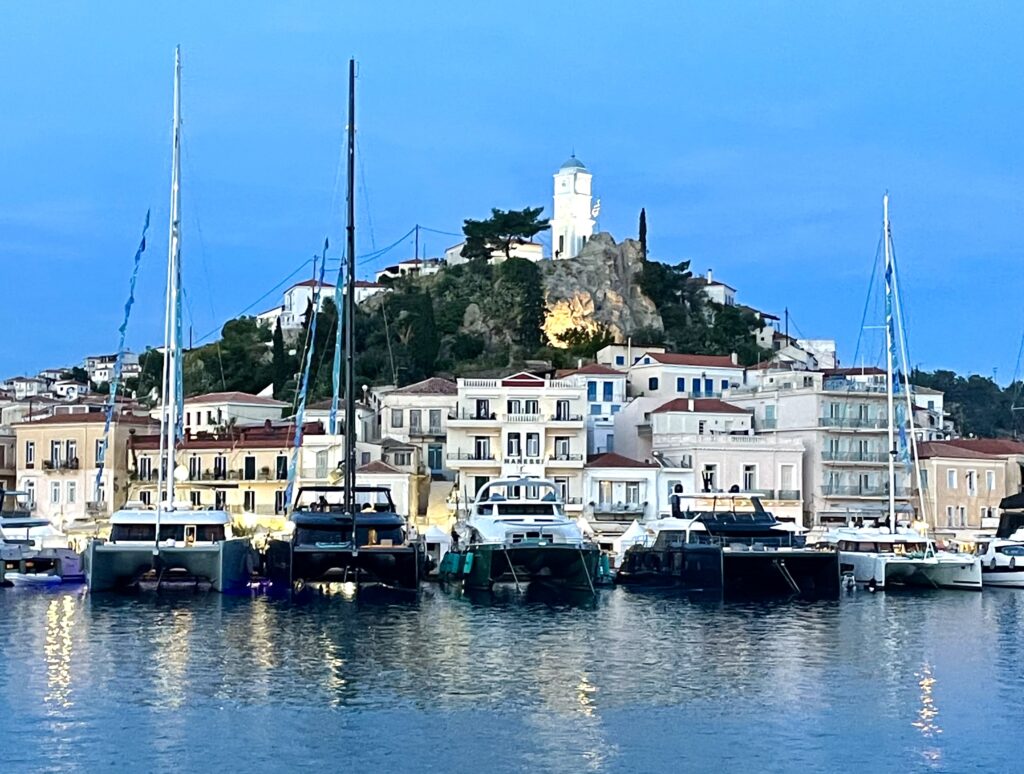
EMMYS 2026: Exploring Greece’s Crewed Charter Fleet
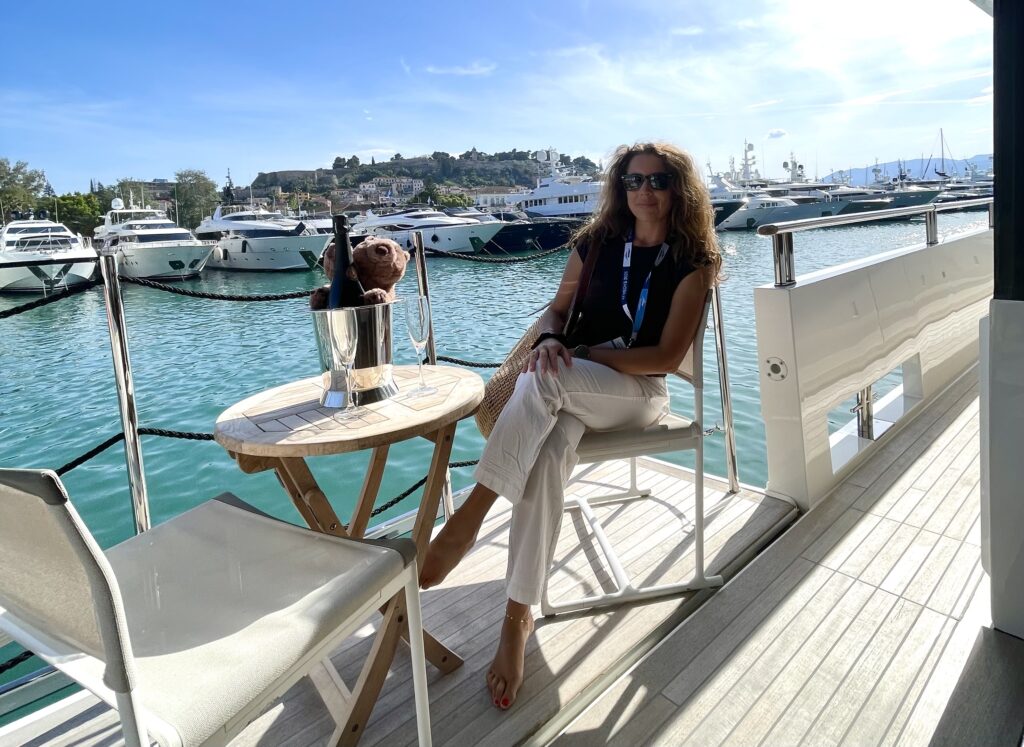
Mediterranean Yacht Show 2026 (MEDYS) Highlights
PBIBS 2026: The Future of Luxury Yachting in Palm Beach
CROYA Yacht Show 2025: Croatia Shines as a Charter Destination
Experiencing the Best of “Below Deck” on a Real Luxury Catamaran
Sailing in the British Virgin Islands on a Crewed Yacht: Endless Adventures Await

All-Inclusive Yacht Charters: Luxury, Adventure, and Total Relaxation